
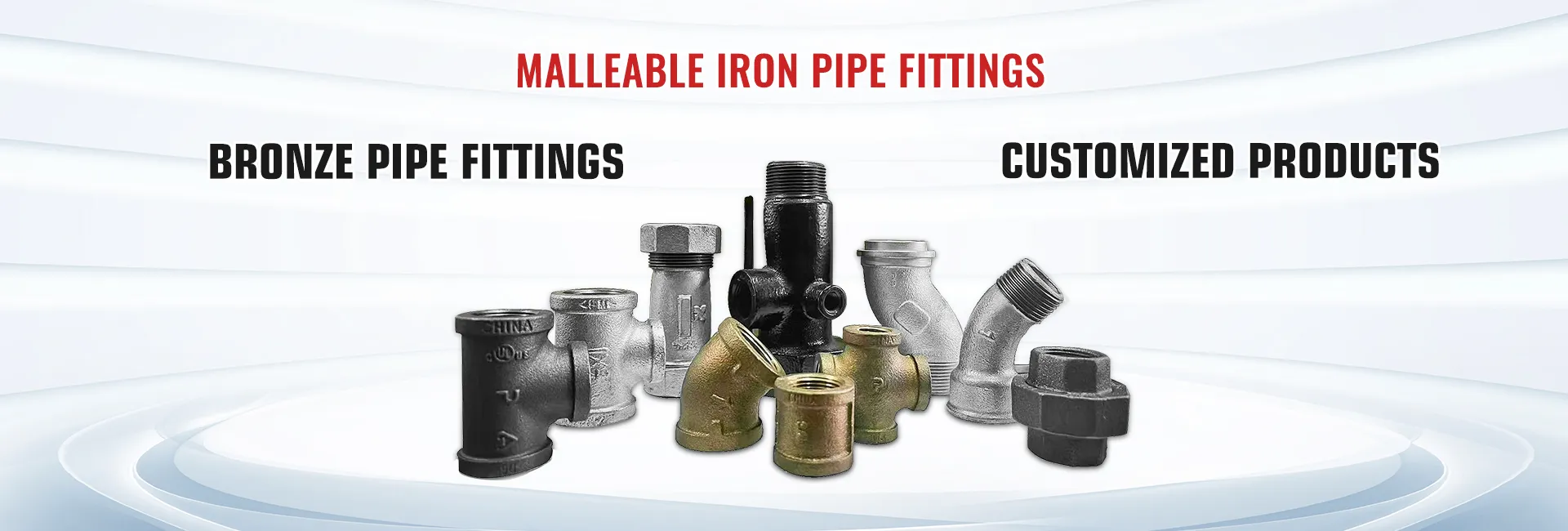

High quality pipe fittings
Feature Products
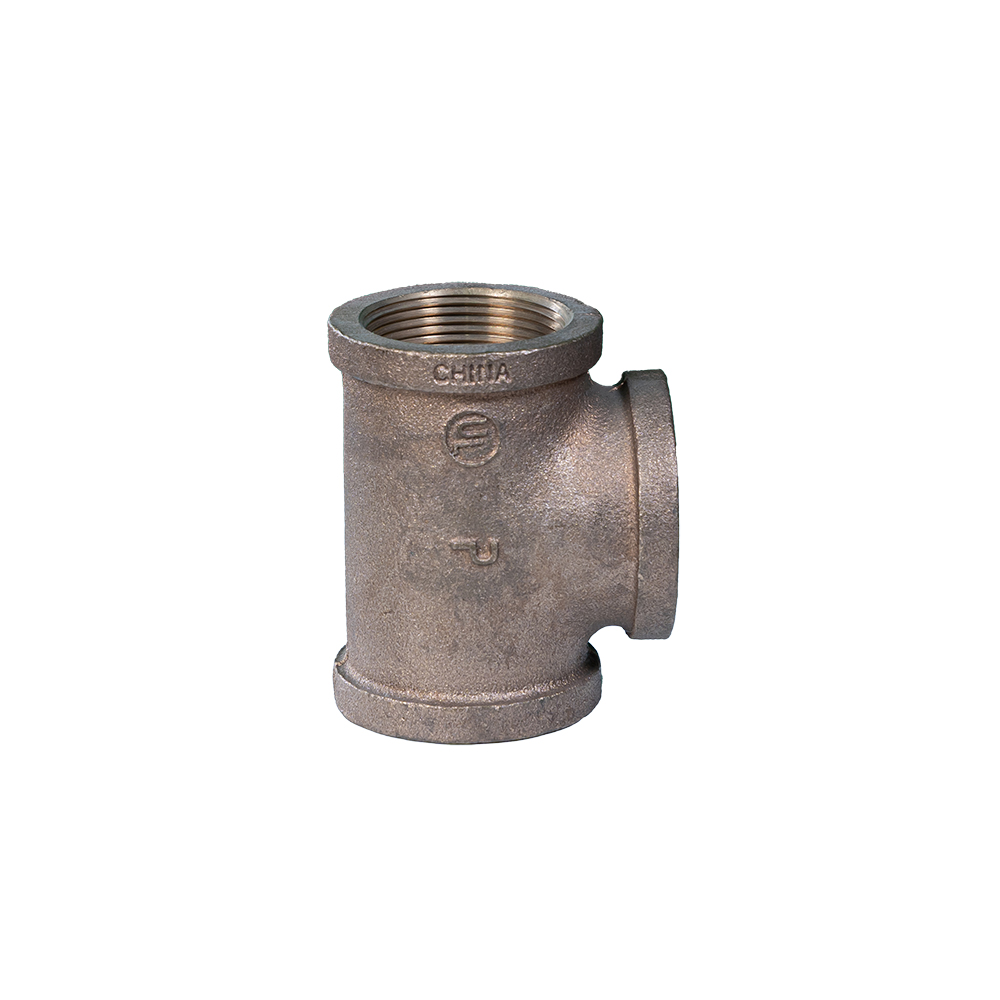
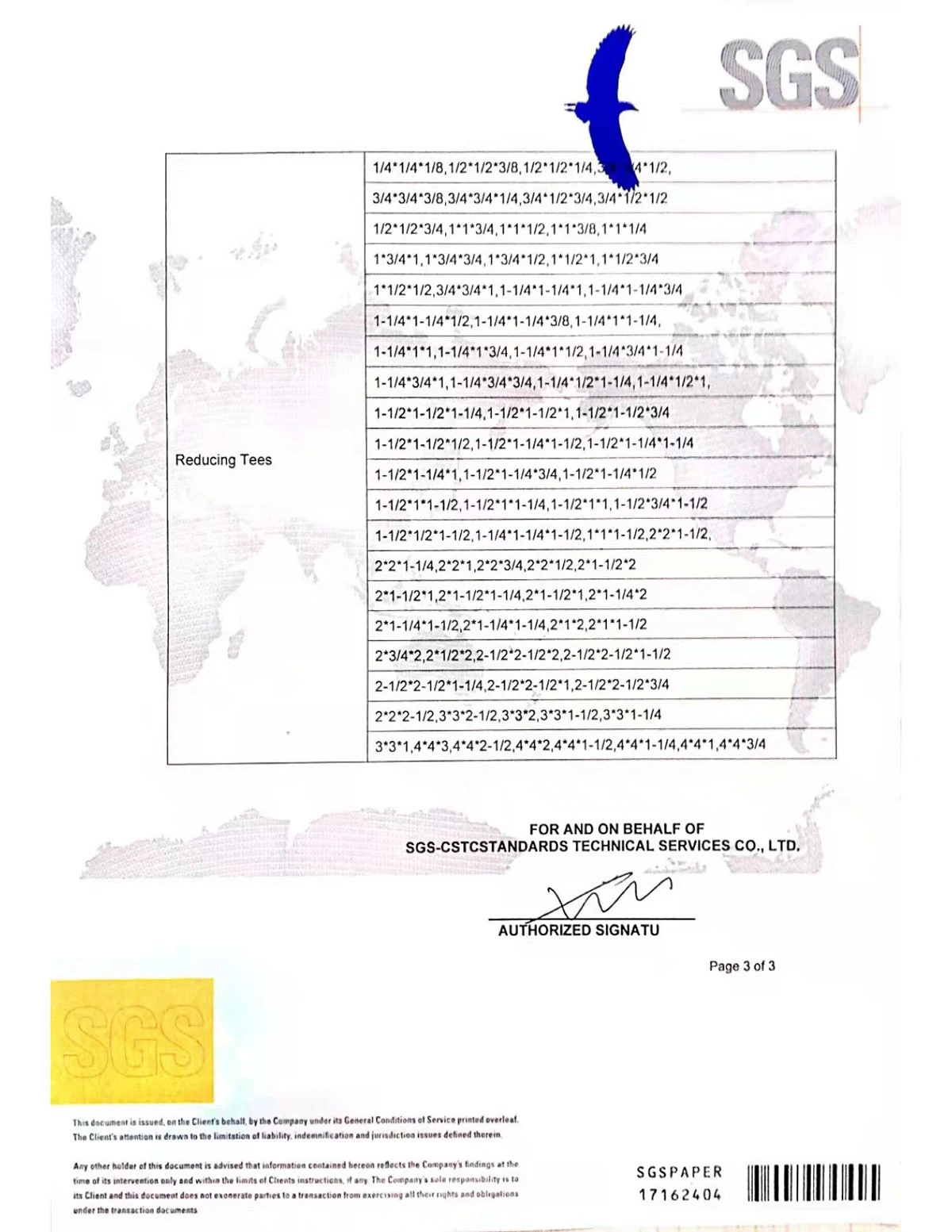

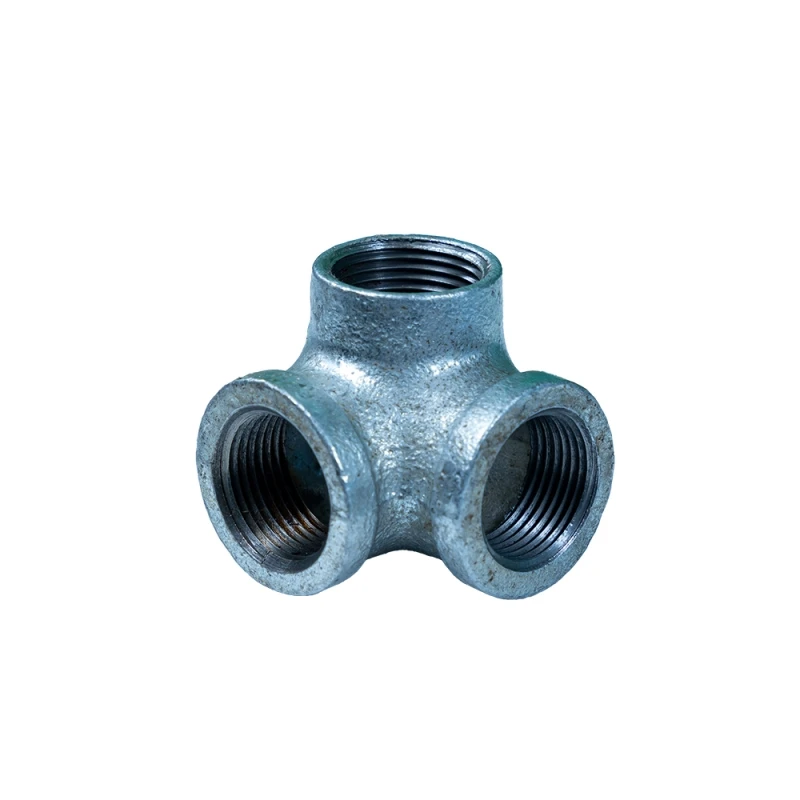
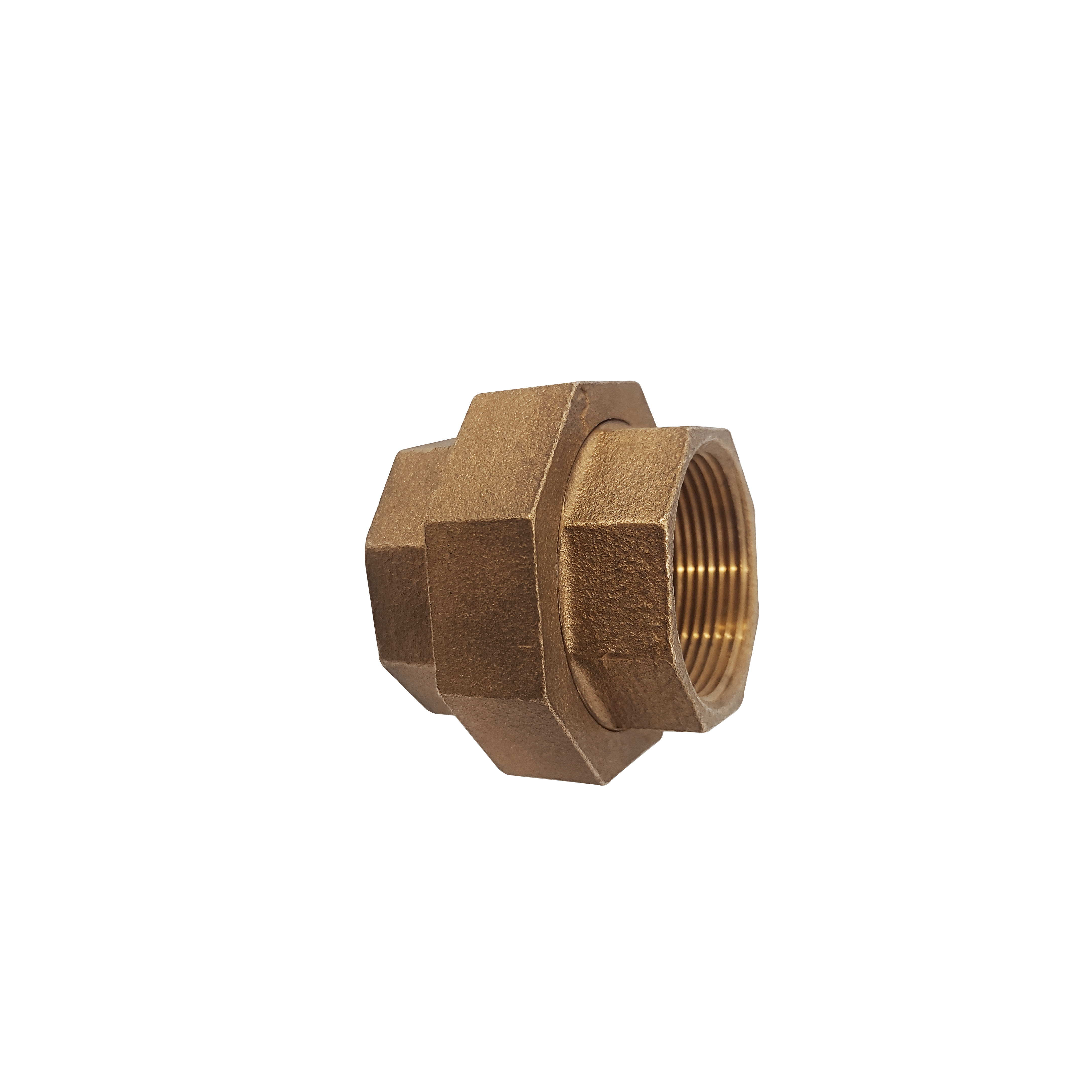


malleable flange
Plain Plug Beaded Malleable Cast Iron: the quiet hero of a sealed line If you’ve ever needed a plug that sits flush, seals tight, and basically disappears into the line, you’ve probably reached for a Countersunk Pipe Plug —sometimes called a beaded plain plug in foundry speak. The model I’ve been watching closely comes out of 236 West Guangming Road, Langfang, Hebei, China. It’s malleable cast iron, threaded male, with a clean beaded shoulder to locate and seal. Simple, yes. But the details matter. Industry trend check Over the last 24 months, we’ve seen a steady shift toward flush-profile plugs in HVAC and food beverage piping—operators want fewer snag points and easier insulation wrap. Sustainability adds a twist too: zinc-coated or epoxy-coated malleable iron is favored, and traceability is no longer “nice-to-have.” Actually, mid-size OEMs now ask for material certs and thread gauges with every lot, which, to be honest, should have been standard ages ago. What it is, precisely The beaded malleable iron plug installs via male threads to close off a pipeline and form a liquid or gas-tight seal. Many customers say the flush face is the real benefit; no wrenching hazard. Some call it a Countersunk Pipe Plug , others stick with “plain plug.” Either way: no drama, just a clean finish. Product specifications (typical) Material Malleable cast iron (ASTM A197/A197M ≈ EN 10242) Thread standard BSPT/BSPP (ISO 7-1) or NPT (ASME B1.20.1) on request Sizes 1/8"–2" (common), larger by customization Finishes Black, hot-dip galvanized (ISO 1461), zinc-nickel or epoxy ≈ as specified Pressure class Up to 1.6–2.5 MPa (≈ PN16–PN25) real-world use may vary with media/temp Service life ≈ 20–30 years in water service; shorter in aggressive media Process flow and testing Materials: certified malleable iron heat (blackheart). Methods: sand casting → annealing for malleability → shot blast → CNC facing and threading → coating (if any). Testing: thread gauge (GO/NO-GO per ISO 7-1), hydrostatic test at ≈1.5× rated pressure, torque proof, coating thickness and salt-spray (where coated). Dimensional checkpoints align with ASME B16.14/EN 10242 oversight. I guess the short version is: make it tough, then make it clean. Where it’s used Plumbing and HVAC loops, compressed air headers, low-pressure steam, fire protection branches, skids in petrochem, and utility tie-offs. In plant walkways, a Countersunk Pipe Plug avoids catches on clothing—small detail, big win. Vendor comparison (snapshot) Factor PANNEXT (Langfang) Generic Supplier Lead time ≈ 2–4 weeks after PO 4–8 weeks, often variable Thread options BSP/NPT dual tooling Single standard typical QC docs Gauge logs, hydro test sheets COC only (sometimes) Certifications ISO 9001 factory (on request) Varies; not always provided Customization Hex socket or slot drive for true Countersunk Pipe Plug installs, special coatings for corrosives, and laser marking for lot traceability. Also, NPT taper tweaks for tight dry-fit—yes, installers notice. Field note and feedback Case: a beverage plant swapped protruding plugs for flush ones on a low-pressure CIP return. Trip hazards dropped to nil; maintenance time shaved ~12%. Feedback was almost funny: “Threads are clean, no binding, we stopped chasing leaks.” Not glamorous, but effective. Quick test data (example lot) Hydrostatic test 3.0 MPa for 60 s, no seepage Coating thickness HDG ≈ 70–90 µm Thread gauge GO pass / NO-GO hold per ISO 7-1 Standards and references: ASME B16.14 – Ferrous Pipe Plugs, Bushings, and Locknuts. ISO 49 – Malleable cast iron fittings threaded to ISO 7-1. ISO 7-1 – Pipe threads where pressure-tight joints are made on the threads. ASTM A197/A197M – Standard Specification for Cupola Malleable Iron. EN 10242 – Malleable cast iron fittings.
Participate in exhibition activities
EVENTS & Latest news English